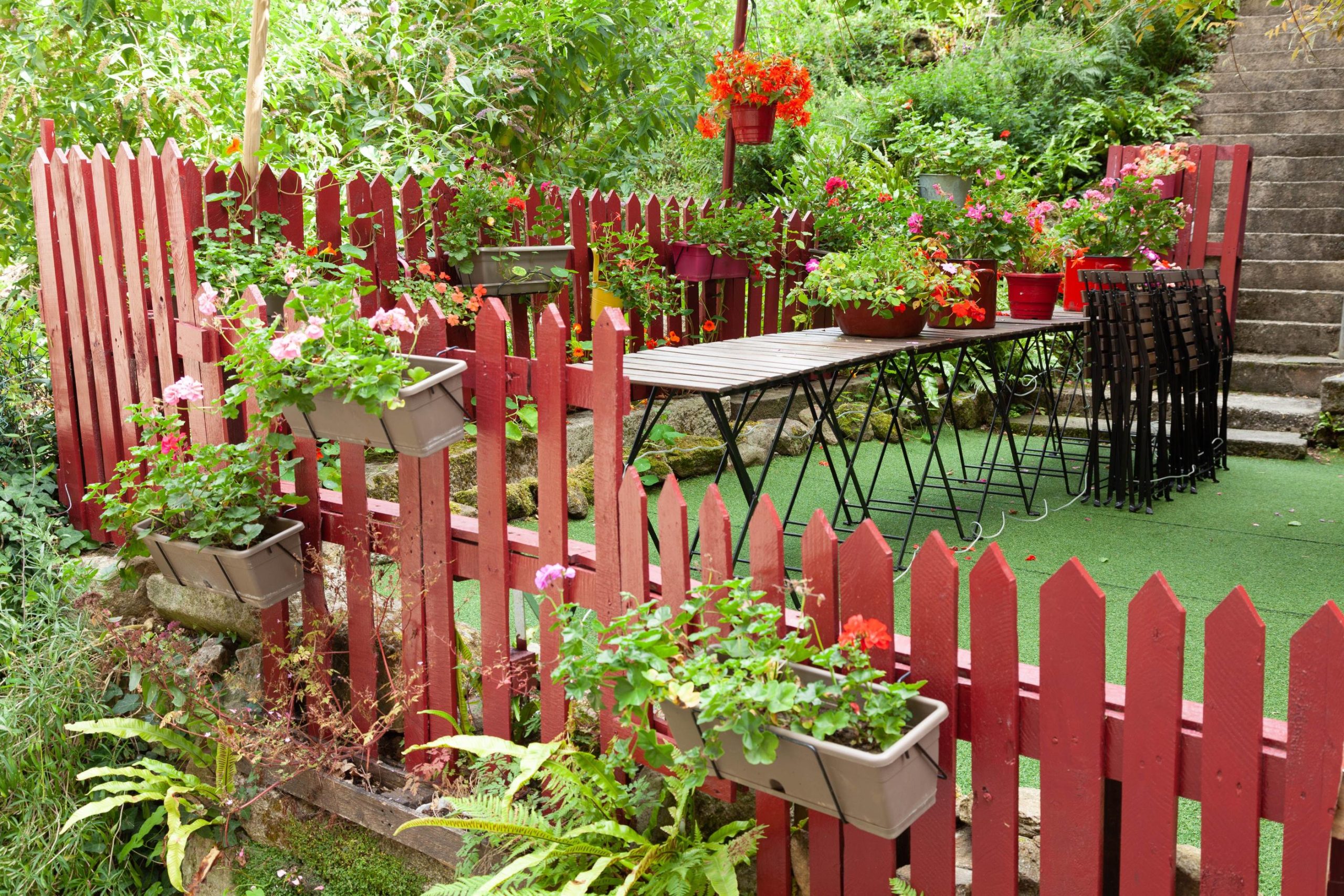
Key Takeaways
- Evaluate sunlight, drainage, existing landscaping, and how you use the yard before making major changes.
- Reduce difficult lawn areas by replacing unused grass with planting beds, pathways, patios, gravel, or suitable ground covers.
- Choose plants that match local growing conditions and group varieties with similar watering needs to simplify care.
- Use mulch, defined borders, and practical hardscaping to reduce weeds and make routine maintenance easier.
- Improve drainage and irrigation to prevent water problems while making plant care more efficient.
- Create accessible pathways and organized storage areas so tools, gardens, and outdoor features are easier to maintain.
- Follow a simple seasonal maintenance routine to address weeds, plant growth, drainage, and small repairs before problems become larger.
A beautiful backyard can add useful living space to your home, but it can also create a long list of chores. Large lawns need mowing, thirsty plants need watering, weeds appear between garden beds, and outdoor surfaces need regular cleaning. Without careful planning, a backyard can become more work than enjoyment.
The good news is that transforming your yard does not have to mean adding complicated landscaping. In many cases, the best improvements actually reduce routine maintenance. Choosing practical materials, simplifying planting areas, improving drainage, and organizing outdoor spaces can make the yard easier to manage throughout the year.
The key is to think about maintenance before making major changes. Consider how much time you realistically want to spend mowing, trimming, watering, cleaning, and repairing. Then design the yard around that level of upkeep.
These backyard transformation tips can help create an attractive outdoor space that is easier to maintain for years to come.
1. Evaluate Your Yard Before Making Changes
Before buying plants or starting construction, spend some time studying the existing yard. Look at which areas receive full sun, partial shade, or deep shade throughout the day. Notice where rainwater collects and where grass or plants struggle to grow.
Also think about how your household currently uses the backyard. A family that regularly hosts guests may need more seating and hardscaping, while someone who enjoys gardening may want accessible planting beds. These pre-remodel considerations can help prevent you from investing in features that create more maintenance without improving how you use the space.
Take note of:
- Sunny and shaded locations
- Wet or poorly drained areas
- Existing trees and plants
- High-traffic routes
- Underused spaces
- Areas that are difficult to maintain
Write down the biggest problems you want the project to solve. Your priorities might include reducing mowing, creating more shade, improving drainage, adding privacy, or making outdoor cleanup easier.
2. Reduce the Size of High-Maintenance Lawn Areas
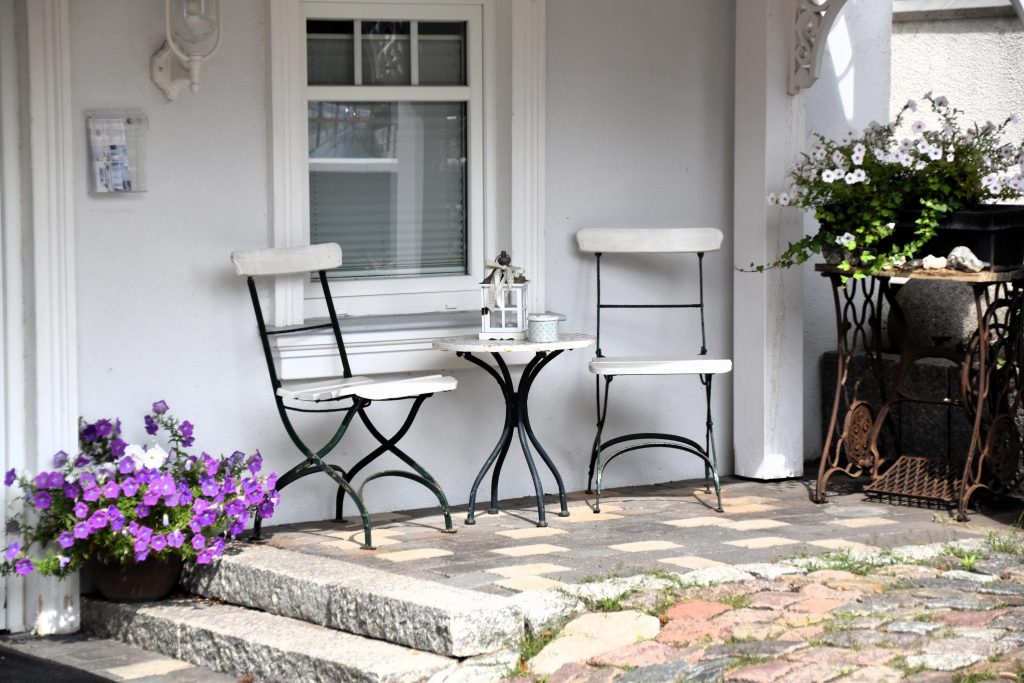
A large lawn can look attractive, but it often requires frequent mowing, edging, watering, fertilizing, and weed control. If you rarely use certain sections of grass, consider replacing some of them with lower-maintenance features.
You do not have to remove the entire lawn. Keeping grass where children play or where you enjoy outdoor activities may make sense. Focus instead on awkward corners, narrow strips, steep slopes, and other areas that are difficult to mow.
Possible alternatives include:
- Mulched planting beds
- Gravel areas
- Ground covers suitable for your climate
- Patios
- Walkways
- Native planting areas
Before removing grass, consider drainage and heat. Large areas of hard materials can become hot in sunny climates and may affect how rainwater moves through the property.
A balanced design can preserve useful lawn space while reducing the total area that needs weekly attention.
3. Choose Plants That Fit Your Local Conditions
Plants are much easier to maintain when they are suited to the conditions where they are planted. A sun-loving plant placed in deep shade may struggle, while a plant that prefers dry soil can suffer in a wet location.
Research each plant’s mature size, sunlight requirements, water needs, and preferred soil conditions. Native or regionally adapted plants can sometimes require less extra care once established because they are suited to local growing conditions.
When selecting plants, consider:
- Sunlight requirements
- Mature height and width
- Water needs
- Soil preferences
- Seasonal growth
- Pruning requirements
Avoid choosing plants based only on how they look at the garden center. A small shrub may eventually become several feet wide and require regular trimming if planted too close to a walkway or house.
Giving plants enough space to reach their natural size can reduce pruning and crowding later.
4. Group Plants With Similar Water Needs
Random plant placement can make watering complicated. One plant may need frequent moisture while the plant beside it prefers relatively dry soil.
Instead, group plants according to similar watering needs. This approach can make irrigation more efficient because each area can receive an appropriate amount of water.
You might create separate zones for:
- Drought-tolerant plants
- Regular garden plants
- Lawn areas
- Container plants
- Moisture-loving plants
This strategy is sometimes called hydrozoning. It can help reduce unnecessary watering while making the landscape easier to manage.
Remember that newly planted landscaping may need more frequent watering while roots become established. Follow appropriate care instructions during this period rather than assuming a low-water plant never needs supplemental water.
5. Use Mulch to Simplify Garden Beds
Mulch is one of the simplest tools for reducing garden maintenance. A proper layer can help limit weed growth, reduce moisture loss, and give planting beds a finished appearance.
Organic materials such as wood chips or shredded bark can also break down gradually. However, mulch should be applied correctly.
Use mulch to:
- Cover exposed soil
- Reduce weed growth
- Help retain soil moisture
- Define planting areas
- Improve the appearance of beds
Avoid piling mulch directly against tree trunks, plant stems, or the foundation of your home. Excessive mulch can trap unwanted moisture and create problems.
Check planting beds periodically and replenish mulch when needed instead of automatically adding thick new layers every year.
6. Create Clear Edges Around Planting Areas
Poorly defined garden beds can allow grass to spread into planting areas, creating more trimming and weeding.
Installing clear borders between lawns, pathways, and planting beds can make regular yard work faster. Depending on your design, edging can be made from stone, brick, metal, concrete, or other outdoor-rated materials.
Good edging can:
- Separate grass from garden beds
- Reduce spreading roots
- Create cleaner mowing lines
- Define pathways
- Improve visual organization
Choose materials that fit the style of the house and can handle local weather conditions.
Keep the design simple when possible. Complicated curves and numerous tiny planting beds can create extra edges that require trimming.
7. Add Practical Hardscaping
Hardscaping can reduce the amount of living landscape that needs regular care. Patios, paths, gravel zones, and seating areas can make a backyard more useful while decreasing mowing and watering.
However, hardscaping is not completely maintenance-free. Pavers may need occasional cleaning, gravel may shift, and weeds can appear in joints or disturbed areas.
Useful hardscape features include:
- Patios
- Garden paths
- Stepping stones
- Gravel seating areas
- Retaining walls
- Defined gathering spaces
Choose durable materials that suit the climate and intended use. Proper installation is especially important for drainage and long-term stability.
Before covering a large area with an impermeable surface, consider where rainwater will go. Water should move away from structures without creating new drainage problems elsewhere.
8. Make Sloped Areas Easier to Manage
Steep slopes can be among the most difficult areas of a backyard to maintain. Mowing them may be uncomfortable or unsafe, and heavy rainfall can contribute to erosion.
Instead of forcing a traditional lawn onto a difficult slope, consider landscaping approaches that work with the existing grade. Ground covers, planted slopes, retaining structures, or terraced areas may be more practical depending on the property.
A tiered backyard design can divide a challenging slope into more usable levels, potentially creating separate spaces for plants, seating, or pathways while making certain areas easier to access.
Options for sloped yards may include:
- Terraced planting areas
- Ground-cover plants
- Steps and pathways
- Retaining walls
- Erosion-control planting
Significant grading or retaining wall work may require professional design, permits, or engineering. Water movement and soil pressure need to be handled correctly to avoid expensive structural or drainage problems.
9. Improve Backyard Drainage
Poor drainage can create muddy lawns, damaged plants, erosion, and standing water. It can also make routine yard maintenance more difficult.
Observe your yard during and after rainfall. Identify where water naturally flows and where it remains for long periods.
Signs of possible drainage issues include:
- Persistent puddles
- Soggy lawn areas
- Soil erosion
- Water near the foundation
- Washed-out mulch
- Unhealthy plants in wet locations
Some problems may improve through relatively simple landscaping adjustments, while others may require grading, drains, or other professional solutions.
Avoid directing runoff toward neighboring properties or structures. Local regulations may affect drainage work, so research requirements before making major changes.
10. Install Efficient Irrigation
Dragging a garden hose around the backyard can take considerable time, especially when plants are scattered across several areas.
An efficient irrigation system can simplify watering. Drip irrigation and soaker systems may work well for certain planting beds because they deliver water closer to the root zone.
Consider features such as:
- Drip irrigation
- Zoned watering
- Timers
- Rain shutoff features
- Smart irrigation controls
Automatic watering should not mean automatic waste. Adjust the schedule based on weather, season, plant needs, and local watering restrictions.
Inspect irrigation equipment periodically for leaks, broken emitters, blocked lines, or sprinklers watering sidewalks instead of landscaping.
11. Design Paths That Make Maintenance Easier
A well-placed pathway does more than improve appearance. It can provide easy access to gardens, storage areas, utility equipment, and other parts of the backyard.
Without defined paths, people may walk across lawns or planting beds, compacting soil and damaging plants.
Practical paths can connect:
- The house and patio
- Garden beds
- Storage sheds
- Gates
- Outdoor seating
- Utility areas
Choose surfaces that are stable and appropriate for how the path will be used.
Keep enough width for necessary equipment such as wheelbarrows, trash bins, or lawn tools. Easy access can make routine upkeep much faster.
12. Keep Trees and Shrubs Away From Tight Spaces
Trees and shrubs can provide shade, privacy, and visual interest, but poor placement may create years of extra work.
Research mature plant dimensions before planting near walls, fences, sidewalks, utility equipment, or other structures. A shrub squeezed into a narrow location may need constant pruning.
Before planting, consider:
- Mature width
- Mature height
- Root growth
- Overhead utilities
- Nearby structures
- Required pruning
Avoid placing plants where they will block pathways or equipment access as they mature.
Thoughtful spacing may look sparse at first, but plants need room to grow. Filling every empty spot immediately can create an overcrowded landscape later.
13. Create a Dedicated Storage Area
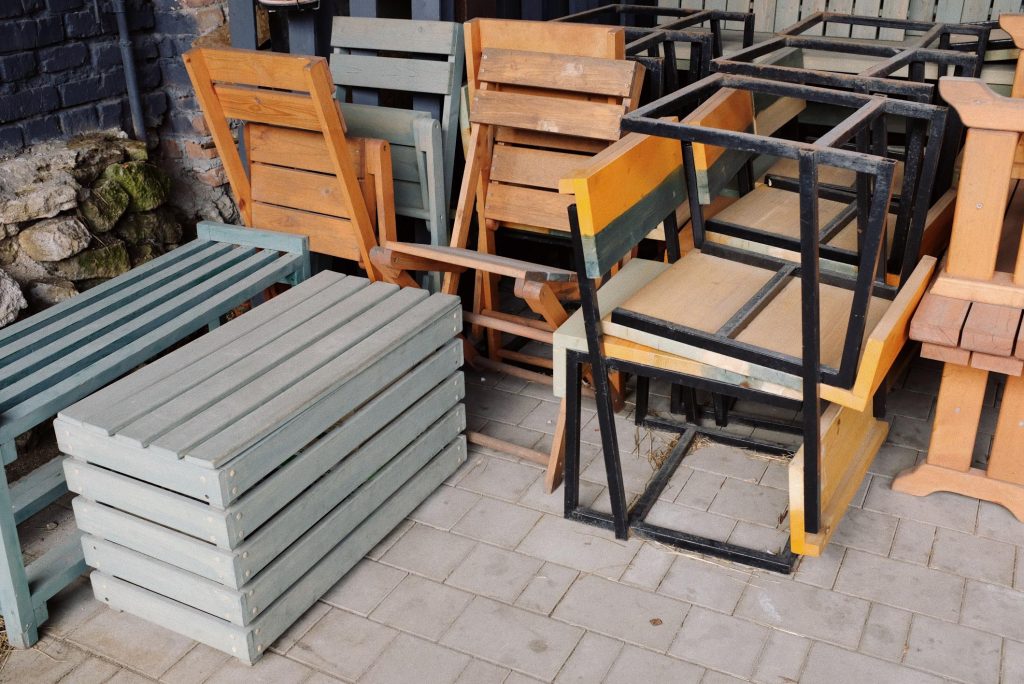
Yard maintenance becomes easier when tools are organized and easy to reach. Hoses, rakes, shovels, cushions, and gardening supplies can quickly create outdoor clutter when they lack proper storage.
A shed, weather-resistant storage box, wall rack, or designated garage area can keep equipment protected and organized.
Consider storage for:
- Garden tools
- Hoses
- Outdoor cushions
- Small equipment
- Planting supplies
Place frequently used tools where they are convenient to access.
Proper storage may also protect equipment from weather exposure, helping tools last longer and reducing the time spent searching for supplies before each project.
14. Choose Outdoor Features That Are Easy to Clean
Outdoor furniture and decorative features can add personality to the backyard, but some materials require much more care than others.
Before buying, consider how each item handles sun, rain, dirt, and temperature changes. Look at manufacturer care instructions and determine whether the maintenance fits your routine.
Lower-effort choices may include:
- Washable cushion covers
- Weather-appropriate furniture
- Simple outdoor rugs
- Easy-to-clean surfaces
- Durable planters
Avoid filling the backyard with more furniture and decorations than you regularly use. Every additional item may need cleaning, storage, or protection during bad weather.
A simpler outdoor setup can look more organized and take less time to maintain.
15. Follow a Seasonal Maintenance Routine
Even a low-maintenance backyard needs some attention. The difference is that regular small tasks can prevent larger problems.
Create a simple seasonal checklist based on your climate and landscape. Inspect plants, irrigation, drainage, outdoor structures, and hard surfaces at appropriate times of year.
Your routine may include:
- Removing weeds before they spread
- Checking irrigation for leaks
- Pruning plants when appropriate
- Clearing leaves and debris
- Inspecting outdoor structures
- Cleaning patios and paths
Address small problems early. A loose paver, blocked drain, damaged hose, or overgrown shrub is usually easier to handle before the issue becomes larger.
Consistent upkeep can help your backyard stay attractive without requiring frequent major cleanup projects.
Create a Backyard That Works With Your Routine
A successful backyard transformation is not only about appearance. It should make the outdoor space easier to use and maintain. Reducing unnecessary lawn, choosing suitable plants, improving drainage, and creating clear paths can all reduce the amount of routine work required.
Think carefully about how each new feature will affect future maintenance. A beautiful plant that needs constant pruning or a decorative surface that is difficult to clean may not be the best choice for a low-maintenance yard.
Focus on improvements such as:
- Simplifying planting areas
- Reducing difficult lawn sections
- Improving irrigation
- Creating useful hardscaping
- Organizing outdoor storage
- Planning for seasonal care
You do not need to transform the entire backyard at once. Start with the areas that create the most work and make practical improvements over time.
With thoughtful planning, your backyard can become a comfortable extension of your home instead of a constant maintenance project. The best design is one that looks inviting, works for your household, and leaves you with more time to actually enjoy the space.