Key Takeaways
- Clean from top to bottom so dust and debris do not fall onto surfaces you have already cleaned.
- Keep basic cleaning supplies easy to reach so small spills and messes can be handled quickly.
- Reduce everyday clutter with designated baskets, bins, and storage areas before starting deeper cleaning tasks.
- Focus regular cleaning on high-traffic spaces and frequently touched surfaces instead of treating every area equally.
- Clean kitchen and bathroom messes early to prevent grease, soap residue, and other buildup from becoming harder to remove.
- Divide household chores into short cleaning sessions and spread larger tasks throughout the week.
- Use a quick evening reset to clear surfaces, return belongings, and prevent small messes from accumulating.
Keeping a home clean can feel like an endless job. Floors collect dirt, kitchen counters become crowded, bathrooms need regular attention, and dust seems to return shortly after you remove it. When every chore becomes a major project, cleaning can quickly take over your free time.
The good news is that a cleaner home does not always require hours of scrubbing. Small changes to your routine can prevent messes from building up and make regular cleaning much easier. The goal is to handle dirt and clutter before they turn into bigger jobs.
Smart cleaning also means focusing your effort where it matters most. Using the right tools, working in a logical order, and completing short tasks regularly can reduce the amount of deep cleaning your home needs.
These practical cleaning hacks can help you maintain a cleaner, more comfortable home without spending every weekend catching up on chores.
Clean From Top to Bottom
Cleaning in the right order prevents you from doing the same work twice. If you vacuum the floor before dusting shelves, dirt from higher surfaces may fall onto your freshly cleaned floor.
Start with ceiling fans, high shelves, light fixtures, and other elevated surfaces. Then move to tables, counters, furniture, baseboards, and finally the floor.
A simple cleaning order is:
- High surfaces
- Furniture and shelves
- Counters and tables
- Baseboards
- Floors
You can also work from one side of a room to the other instead of moving randomly between areas. This makes it easier to see what has already been cleaned.
Following the same pattern each time can make your routine faster because you spend less time deciding what to do next.
Keep Basic Cleaning Supplies Within Easy Reach
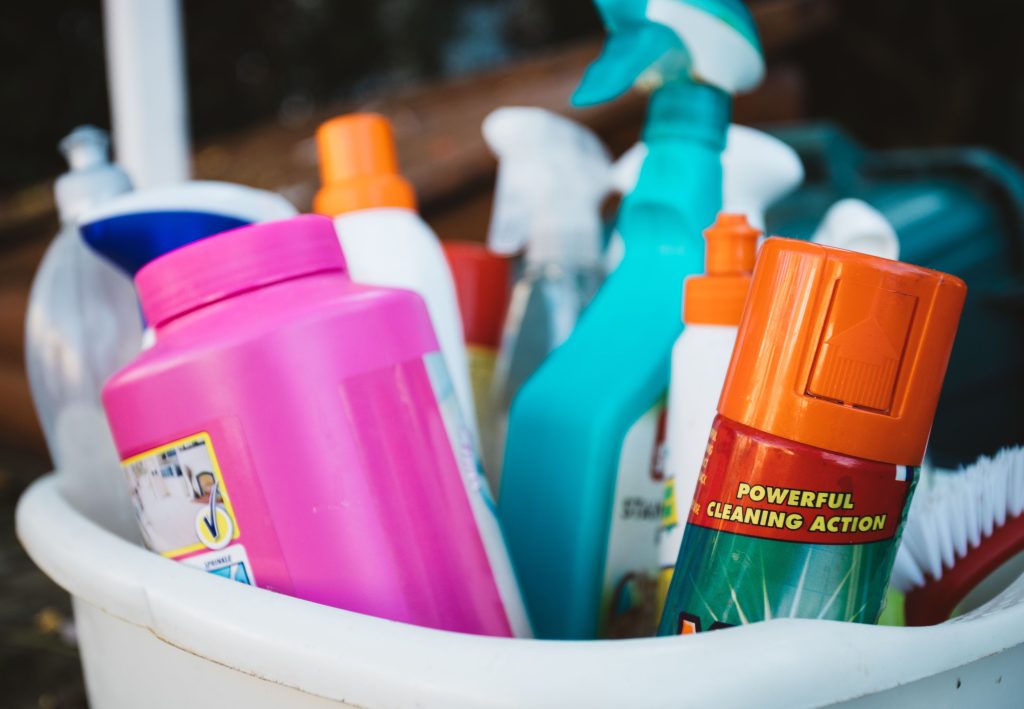
Cleaning is easier when you do not have to search the house for supplies every time you notice a mess. Keep commonly used products and tools somewhere convenient.
A portable cleaning caddy can hold basic supplies that you carry from room to room. In a larger home, you may prefer keeping a small set of appropriate supplies in different areas.
Useful basics may include:
- Microfiber cloths
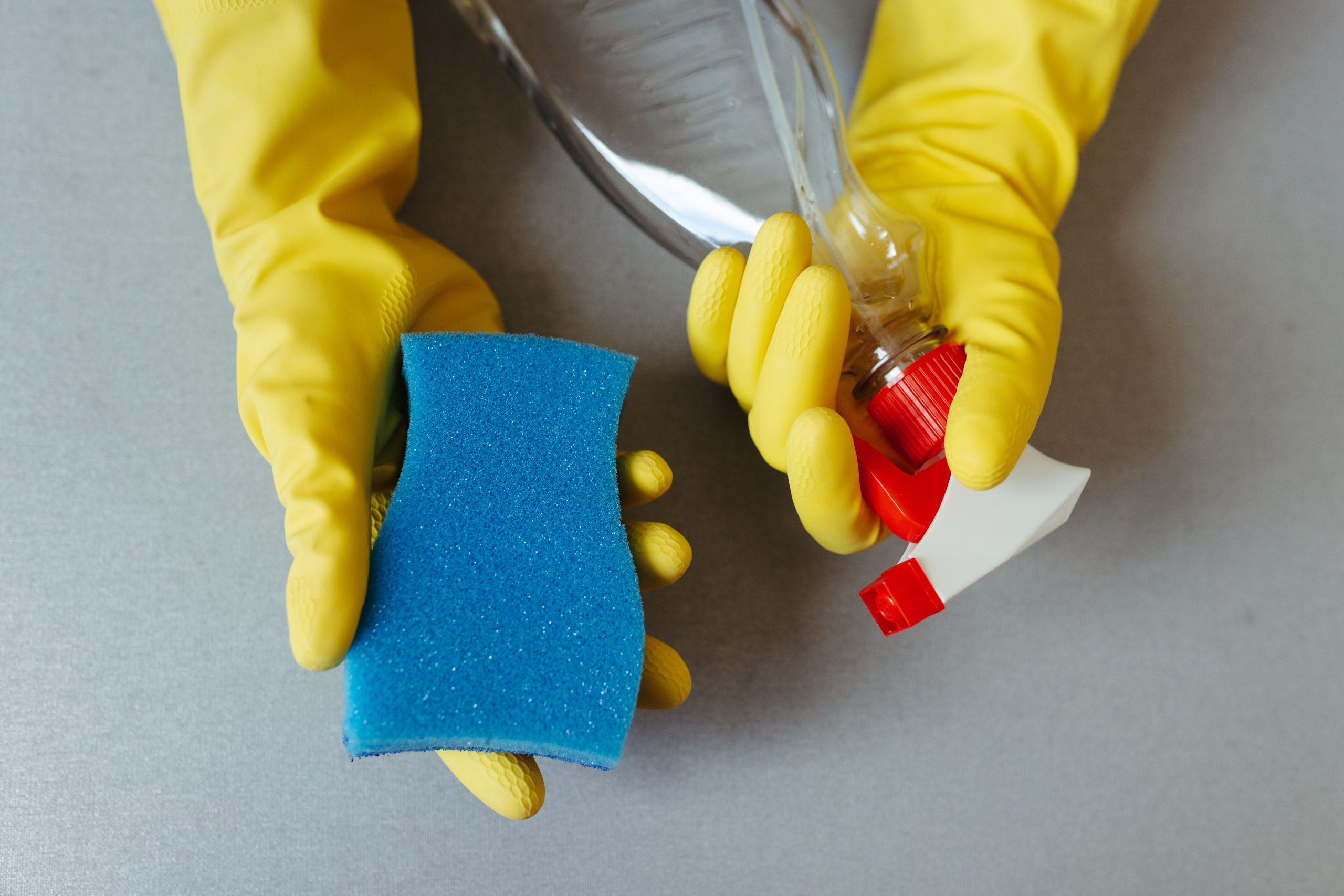
- Sponges
- A suitable multipurpose cleaner
- Gloves
- Small cleaning brushes
Always store cleaning products safely and follow label directions. Keep chemicals away from children and pets, and never mix products unless the manufacturer specifically says it is safe.
Convenient supplies make it easier to handle small messes immediately instead of leaving them for a future cleaning day.
Let Cleaning Products Do Some of the Work
Many people spray a cleaner and immediately begin scrubbing. Depending on the product, giving it the recommended contact or dwell time may make cleaning easier.
Apply the product according to its label and allow it to sit for the recommended amount of time. This can help loosen soap residue, grease, and other buildup before wiping.
This approach may be useful for:
- Bathroom surfaces
- Greasy stovetops
- Kitchen counters
- Sinks
- Other compatible surfaces
Do not assume that leaving a cleaner on longer is always better. Certain products can damage surfaces when left too long.
Check the manufacturer’s directions, especially when cleaning natural stone, wood, stainless steel, painted surfaces, or other materials that may require special care.
Use Microfiber Cloths for Everyday Dusting
Microfiber cloths can make routine dusting faster because they are designed to pick up small particles rather than simply pushing them around.
Use a clean, dry or slightly damp microfiber cloth when appropriate for the surface. Fold the cloth into sections so you can switch to a clean area as one section becomes dirty.
Microfiber cloths are useful for:
- Shelves
- Furniture
- Electronics
- Baseboards
- Many hard surfaces
Wash reusable cloths according to their care instructions. Avoid using a heavily soiled cloth across multiple rooms because you may spread dirt rather than remove it.
Keeping several cloths available also lets you separate bathroom, kitchen, and general household cleaning.
Clean Small Messes Immediately
One of the easiest ways to reduce cleaning time is to deal with small messes before they become larger ones.
Wipe kitchen spills soon after they happen. Put dishes in the dishwasher or washing area rather than allowing them to pile up. Return products to cabinets after using them.
Quick tasks may include:
- Wiping a counter
- Rinsing a sink
- Hanging up clothing
- Putting shoes away
- Cleaning a small spill
Most of these jobs take only a minute or two when handled immediately. Waiting several days can turn them into a longer cleaning session.
This does not mean you need to clean constantly. The goal is simply to prevent easy tasks from becoming difficult ones.
Use Baskets to Control Everyday Clutter
Clutter can make a room look dirty even when the surfaces themselves are clean. Items without clear storage locations often end up on tables, counters, stairs, and chairs.
Use baskets or bins to contain commonly misplaced items. Each basket should have a clear purpose rather than becoming a place for random objects.
Useful categories may include:
- Toys
- Blankets
- Shoes
- Electronics and chargers
At the end of the day, spend a few minutes returning these items to their proper places.
Avoid using baskets to permanently hide clutter. If a container is constantly overflowing, review its contents and decide whether everything still needs to be kept.
Make the Bed as Soon as You Get Up
Making the bed is a small task that can immediately make a bedroom look more organized.
You do not need complicated decorative pillows or perfectly arranged bedding. Simply straightening the sheets, comforter, and pillows can create a cleaner appearance.
A quick bedroom reset might include:
- Making the bed
- Opening curtains
- Putting clothing away
- Clearing the nightstand
- Moving laundry to a hamper
Completing these tasks early can also prevent clothing and other items from collecting on the bed during the day.
A tidy bed becomes a visual anchor that can make the rest of the room feel more orderly, even before you complete deeper cleaning.
Focus on Frequently Touched Surfaces
Some surfaces are touched repeatedly throughout the day and can collect fingerprints, oils, dirt, and other residue.
Door handles, cabinet pulls, refrigerator handles, light switches, and remote controls are easy to forget because they are small.
Frequently touched areas may include:
- Light switches
- Door handles
- Appliance handles
- Cabinet hardware
- Remote controls
Include these surfaces in your regular cleaning routine using products appropriate for the material.
These details are among the overlooked home areas that can make a noticeable difference when cleaned consistently, especially in kitchens, bathrooms, and shared spaces.
Keep the Kitchen Sink Clear
A sink filled with dirty dishes can make the entire kitchen feel messy. Keeping it reasonably clear can immediately improve the room’s appearance.
Try to wash dishes or load the dishwasher soon after meals when possible. Once the sink is empty, rinse away food residue and wipe the surrounding area.
For a quick kitchen reset:
- Put away leftover food
- Load or wash dishes
- Wipe counters
- Rinse the sink
- Sweep visible crumbs
Cleaning as you cook can also reduce the amount of work waiting after the meal.
Use short periods of waiting time, such as while food is cooking, to put away ingredients or wash a few tools.
Use a Squeegee After Showers
Bathroom moisture can contribute to water spots, soap residue, and buildup on shower surfaces.
Keeping a small squeegee nearby makes it easy to remove excess water from glass and certain wall surfaces after showering.
Focus on:
- Shower doors
- Glass panels
- Smooth wall surfaces
- Areas where water collects
This habit takes only a short time but may reduce how often heavy buildup needs to be scrubbed.
Bathrooms still require regular cleaning and adequate ventilation. Run an exhaust fan when appropriate and allow wet areas to dry as efficiently as possible.
Vacuum High-Traffic Areas More Often
You may not need to vacuum the entire house every day. Instead, focus on areas that collect the most dirt.
Entryways, kitchens, hallways, and main living spaces often become dirty faster than guest rooms or low-use areas.
Prioritize locations such as:
- Entryways
- Hallways
- Living rooms
- Kitchen floors
- Areas used by pets
A quick pass through high-traffic areas can keep dirt from spreading throughout the rest of the house.
Place doormats near entrances and consider a household routine for outdoor shoes. Reducing the amount of dirt entering the home can lower the amount of floor cleaning required.
Clean Appliances in Small Steps
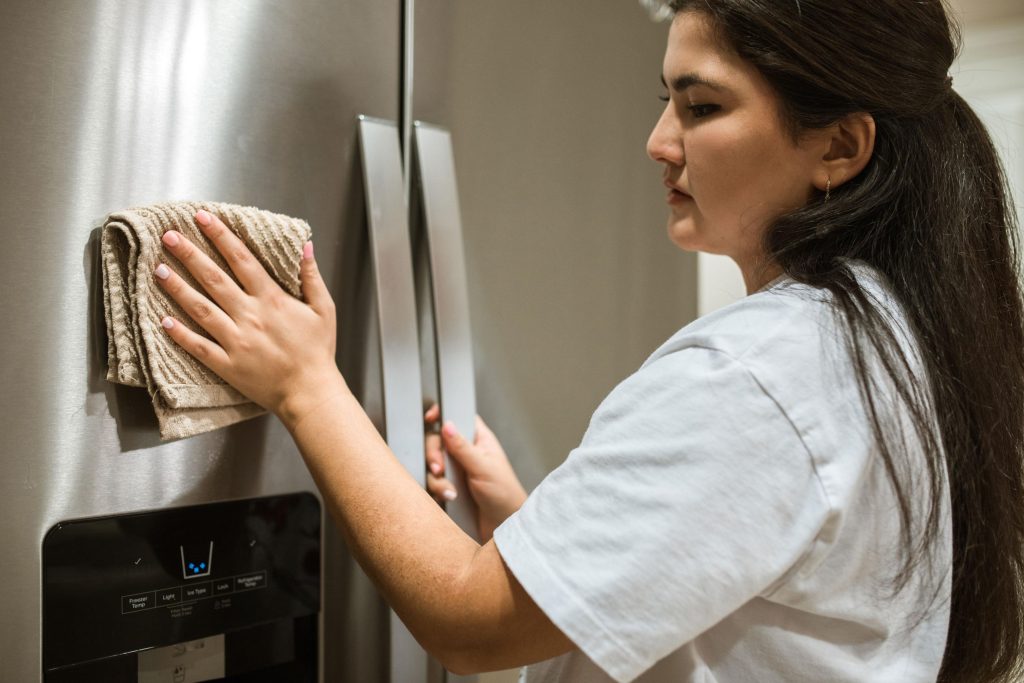
Appliances are easier to maintain when you clean them regularly instead of waiting for heavy buildup.
Wipe refrigerator handles and shelves when spills occur. Clean the microwave soon after splatters happen. Remove crumbs and grease from cooking appliances before they harden.
Include tasks such as:
- Wiping appliance exteriors
- Cleaning spills promptly
- Emptying crumb trays
- Checking refrigerator shelves
- Following appliance maintenance instructions
Always let hot appliances cool when required and follow manufacturer cleaning recommendations.
Small cleaning sessions can help appliances look better while making deeper cleaning less demanding.
Give Outdoor Areas a Quick Reset
Cleaning does not stop at the front door. Patios, porches, balconies, and entry areas can collect leaves, dirt, pollen, and outdoor clutter.
A quick sweep and occasional wipe-down can prevent these spaces from becoming major projects. Keep outdoor furniture arranged and remove unused items that collect dirt.
Simple outdoor cleaning may involve:
- Sweeping hard surfaces
- Shaking out mats
- Wiping furniture
- Clearing leaves
- Cleaning outdoor lighting
Regular cleaning can also support an outdoor space transformation by giving you a clearer view of which areas actually need new furniture, landscaping, repairs, or decorative improvements.
Clean first before assuming an outdoor area needs an expensive makeover.
Set a Timer for Short Cleaning Sessions
Cleaning can feel overwhelming when you think you need several hours to make progress. Short timed sessions can make the job easier to start.
Set a timer for 10 or 15 minutes and focus on one room or category. Work until the timer ends, then stop or continue if you have more time.
During a short session, you might:
- Clear a countertop
- Put away clutter
- Dust one room
- Vacuum a hallway
- Clean one bathroom sink
This approach works well for daily maintenance because it creates a clear stopping point.
Several short cleaning sessions throughout the week may prevent the need for one exhausting weekend cleanup.
Create a Simple Weekly Cleaning Schedule
Trying to clean the entire home in one day can be tiring. Dividing chores across the week can make upkeep more manageable.
Assign different tasks or rooms to different days based on your schedule. Keep the plan realistic so it does not become another source of stress.
A routine might include:
- Bathrooms on one day
- Floors on another
- Dusting during the week
- Laundry on scheduled days
- Kitchen maintenance regularly
Not every household needs the same schedule. Homes with pets, children, frequent visitors, or heavy foot traffic may need certain tasks more often.
The best schedule is one you can maintain consistently.
Declutter Before Deep Cleaning
Cleaning around piles of belongings takes extra time. Before deep cleaning a room, remove items that do not belong there.
Return useful belongings to their proper places and decide what to do with things you no longer need.
During decluttering, create categories for:
- Items to keep
- Items to relocate
- Donations
- Recycling
- Trash
Once surfaces and floors are easier to reach, dusting, wiping, sweeping, and vacuuming become faster.
Regular decluttering also prevents storage spaces from becoming overcrowded, making everyday cleanup easier.
Build a Five-Minute Evening Reset
A short reset before bed can prevent clutter from carrying into the next day.
Walk through the main living areas and handle the most visible messes. Put items away, clear the kitchen counter, straighten cushions, and collect dishes.
Your evening reset might include:
- Returning items to storage
- Clearing counters
- Straightening furniture
- Loading dishes
- Putting shoes away
Keep the routine short. The goal is not to deep-clean the house every night.
Five focused minutes can make mornings easier and prevent small messes from becoming larger weekend chores.
Make Cleaning Easier to Maintain
A cleaner home does not depend on spending hours scrubbing every surface. The most effective routines often focus on preventing messes, keeping supplies convenient, and handling small tasks before they build up.
Work from top to bottom, keep frequently used areas under control, and clean spills when they happen. Use baskets to manage clutter, focus on high-traffic areas, and divide larger chores into shorter sessions.
Keep these habits in mind:
- Clean small messes quickly
- Reduce clutter before deep cleaning
- Keep useful supplies accessible
- Focus on high-use spaces
- Follow a realistic schedule
You do not need a perfectly clean home every day. Homes are meant to be used, and some mess is part of everyday life.
The goal is to create simple routines that make cleaning less demanding. With consistent habits and a few time-saving strategies, you can keep your home looking cleaner while spending less of your free time catching up on chores.