
Tackling complex home improvement projects can feel overwhelming, especially when the work goes beyond simple cosmetic upgrades. These projects often involve multiple trades, permits, inspections, and long-term planning. Mistakes can be costly—not just financially, but also in safety, comfort, and resale value.
This guide is designed to help homeowners approach major improvements with clarity and confidence. Instead of focusing on trends or sales pitches, it breaks down how to plan, evaluate, and manage demanding projects step by step. Whether you’re renovating for long-term living or future resale, understanding the process is just as important as choosing the right materials.
Below, you’ll find practical guidance for some of the most complex home improvement areas, with tips that help you avoid common pitfalls and make informed decisions at every stage.

Plan Kitchen Renovations Around Workflow, Not Just Style
A successful kitchen remodel begins long before materials are ordered. Homeowners often focus on finishes while overlooking how the space will actually function in daily life. Before finalizing any layout, map out how you move through the kitchen while cooking, cleaning, and entertaining. Pay close attention to traffic flow, appliance spacing, and storage access.
Working with a kitchen designer can help translate your needs into a layout that balances aesthetics with efficiency. Designers consider details homeowners often miss, such as clearance for appliance doors, proper spacing between work zones, and alignment with plumbing and electrical systems. Even if your taste is modern or minimalist, function should always lead the design process.
Budget planning is another critical step. Kitchen renovations frequently reveal hidden issues behind walls or under floors. Build a contingency buffer of at least 10–15 percent to handle unexpected costs without derailing the project. Careful upfront planning reduces change orders, delays, and frustration once construction begins.
Prepare Your Space and Timeline Before Cabinet Work Begins
Cabinetry installation is a precision task that affects nearly every other kitchen element. Before the kitchen cabinet installation starts, the space must be fully prepared. This includes completed demolition, finished flooring (or clearly planned transitions), and finalized electrical and plumbing rough-ins. Skipping these steps often leads to costly rework later.
Measure everything—twice. Cabinets are built to exact dimensions, and even small measurement errors can create gaps, misalignments, or interference with appliances. Confirm ceiling height consistency, wall plumbness, and corner angles. In older homes, walls are rarely perfectly square, and adjustments may be needed.
Timing also matters. Cabinet installation should occur before countertops, but after walls are painted. Coordinating this sequence ensures clean lines and prevents damage to new finishes. Homeowners who understand the order of operations are better equipped to keep projects on schedule and avoid conflicts between trades.
Avoid Costly Mistakes When Adding or Replacing Outdoor Barriers
Exterior projects often seem simpler than interior renovations, but they come with their own complexities. Fence installation requires more than choosing a style and digging holes. Local zoning laws, property lines, and utility locations all play a major role in planning.
Start by confirming property boundaries through a survey, especially if the fence sits close to neighboring lots. Installing a fence, even a few inches over the line, can result in legal disputes or forced removal. Next, check municipal codes for height limits, setback requirements, and material restrictions.
Soil conditions and drainage also affect long-term durability. Poorly set posts can shift, lean, or rot prematurely. Proper depth, gravel bases, and concrete footings help ensure stability. Taking the time to plan these details upfront leads to a fence that lasts longer and requires less maintenance.

Ensure Bathroom Upgrades Account for Safety and Moisture Control
Bathroom renovations involve a unique mix of structural, plumbing, and safety considerations. When installing or replacing shower door glass, precise measurements and correct hardware selection are essential. Even small errors can lead to leaks, alignment issues, or safety hazards.
Before choosing glass styles, evaluate the shower’s framing and waterproofing. Frameless designs require strong wall anchoring and perfectly level surfaces. Any weakness in studs or tile installation can compromise long-term performance. Tempered safety glass is essential and often required by building codes.
Ventilation is another critical factor. Without proper airflow, moisture buildup can damage walls, encourage mold growth, and shorten the lifespan of fixtures. Ensure exhaust fans are adequately sized and vented outdoors. A bathroom that looks beautiful but lacks moisture control will quickly develop hidden problems.
Strengthen Stairways With Code-Compliant Structural Updates
Staircases are one of the most regulated elements in a home due to their safety implications. Upgrading or replacing a staircase railing is not just a design decision—it’s a structural one. Height, spacing, and load requirements are all dictated by building codes.
Before making changes, determine whether the staircase is part of a load-bearing structure. Altering posts or mounting points without proper reinforcement can weaken the entire stair system. Always verify local code requirements for handrail height, baluster spacing, and graspability.
Material choice also affects longevity and maintenance. Wood offers warmth but may require refinishing over time, while metal or composite materials provide durability with minimal upkeep. Prioritizing safety and compliance ensures that updates enhance both function and resale appeal.
Coordinate Interior Finishes for Consistent, Professional Results
Painting seems straightforward, but large-scale or whole-home projects require careful coordination. Hiring professional painting services can help manage surface preparation, material selection, and sequencing with other renovations. Paint is often the final layer that reveals—or hides—earlier mistakes.
Surface prep is where quality is determined. This includes repairing drywall, sanding uneven areas, sealing stains, and applying the correct primer. Skipping these steps may result in visible flaws and premature wear, regardless of paint quality.
Color consistency is another challenge in complex projects. Lighting conditions vary between rooms, making the same color appear different throughout the house. Testing samples in multiple areas helps ensure cohesive results. When painting is planned alongside flooring or cabinetry updates, coordination prevents mismatched tones and costly repainting.
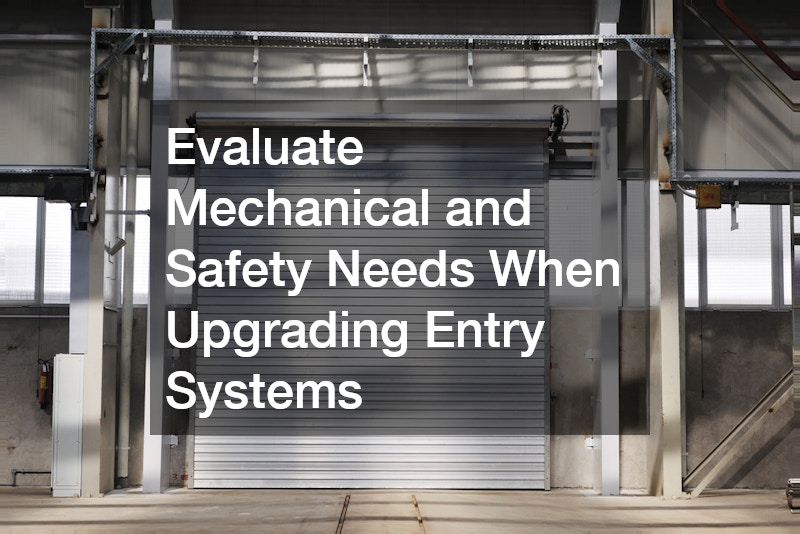
Evaluate Mechanical and Safety Needs When Upgrading Entry Systems
Garage doors are one of the largest moving components in a home and require careful attention to safety and mechanics. Garage door installations involve more than swapping panels—they include tracks, springs, openers, and sensors that must work together seamlessly. Each component must be properly balanced and aligned to prevent premature wear and failure of operation.
Before replacing a door, assess insulation needs. An insulated garage can significantly improve energy efficiency, especially if the space is attached to the home. Modern doors offer improved sealing, quieter operation, enhanced security features, and greater resistance to weather-related wear, helping reduce drafts and temperature fluctuations inside the home.
Safety systems are non-negotiable. Auto-reverse mechanisms and photo-eye sensors are required to prevent injury or damage. Proper installation ensures these features function correctly, meet manufacturer guidelines, and comply with current safety standards. A well-installed garage door improves both daily convenience and the overall value of the home.
Manage Roofing Projects With Long-Term Durability in Mind
Roof work is among the most disruptive and expensive home improvement projects. Choosing qualified roofing contractors is critical, as mistakes can lead to leaks, structural damage, and voided warranties. Start by verifying licensing, insurance, and local experience, and ask for references from recent projects. Contractors familiar with regional weather patterns and building codes are better equipped to recommend appropriate materials and installation methods.
Material selection should consider the climate, roof pitch, and ventilation requirements of the home. A durable roof system includes underlayment, flashing, and proper airflow—not just shingles. Ice and water barriers, drip edges, and correctly installed flashing around chimneys and valleys play a major role in preventing leaks. Poor ventilation can trap heat and moisture in the attic, reducing the lifespan of roofing materials, encouraging mold growth, and increasing energy costs throughout the home.
Timing also matters. Roofing projects are weather-dependent and are typically scheduled weeks in advance, especially during peak seasons. Homeowners should plan for noise, debris, and limited access around the property while work is underway. Understanding the full scope of work—including tear-off, disposal, repairs to decking, and final inspections—helps minimize disruptions and prevent unexpected costs. Clear communication and careful planning ensure the project is completed efficiently, safely, and with long-term performance in mind.
Align Heating Upgrades With Energy Efficiency Goals
Replacing or upgrading a home’s heating system is a major investment that affects comfort and operating costs for years. A furnace installation service should begin with a proper load calculation, not just a replacement of the existing unit. This assessment accounts for home size, layout, insulation quality, window efficiency, and climate, ensuring the system is correctly matched to actual heating demands rather than past assumptions.
Oversized or undersized systems lead to inefficiency, uneven heating, and increased wear. An oversized furnace may short-cycle, turning on and off too frequently, which wastes energy and shortens equipment lifespan. An undersized system, on the other hand, may struggle to maintain consistent temperatures during colder months. Evaluating insulation levels, ductwork condition, and thermostat placement ensures the new system performs as intended. Leaky or poorly designed ducts can negate efficiency gains, while improperly placed thermostats can cause temperature imbalances throughout the home.
Modern furnaces offer higher efficiency ratings, but only when installed correctly and paired with compatible components. Homeowners should also consider programmable or smart thermostats to improve control and reduce energy usage. Planning for permits and inspections is essential, as these are typically required for heating system replacements. Factoring these steps into the timeline prevents delays, ensures compliance with safety regulations, and provides peace of mind that the system meets current building and efficiency standards.

Integrate Appliance Upgrades Into Larger Renovation Plans
Appliance installation often comes at the tail end of renovations, but it should be planned from the beginning. Dishwasher Installation requires precise coordination with cabinetry, plumbing, and electrical systems to avoid last-minute complications that can delay completion or force design compromises. Early planning allows homeowners to select models that fit seamlessly into the layout rather than adjusting cabinetry after the fact, which can be costly and disruptive.
Clearance, door swing, and ventilation must align with surrounding cabinets and countertops. Improper spacing can lead to noise issues, leaks, or difficulty accessing filters and controls. In addition, water supply lines and drain connections should be positioned so they remain accessible for maintenance without requiring cabinet removal. Electrical requirements vary by model, so confirming voltage, amperage, and outlet placement early prevents rewiring delays and ensures compliance with safety codes.
Sound insulation and vibration control are also important considerations, especially in open-concept kitchens. Padding, proper leveling, and secure mounting help reduce operational noise and extend appliance lifespan. Testing is the final step. Running the appliance through a full cycle before finalizing the installation helps identify leaks, drainage problems, or alignment issues while adjustments are still easy to make. Thoughtful planning ensures appliances perform reliably from day one and integrate smoothly into the overall renovation rather than feeling like an afterthought.
Complex home improvement projects demand more than enthusiasm—they require planning, coordination, and informed decision-making. By understanding the technical, structural, and logistical aspects of major upgrades, homeowners can avoid costly mistakes and achieve lasting results. This means taking the time to research materials, understand local building codes, and recognize how one phase of a project impacts another. Rushing into renovations without this foundational knowledge often leads to delays, budget overruns, and compromises in quality that can be difficult to correct later.
Approaching each project with realistic expectations, clear priorities, and attention to detail transforms challenging renovations into successful investments. Setting a well-defined scope, allowing for contingency time and budget, and maintaining open communication with professionals helps keep work on track. It’s also important to think beyond immediate visual improvements and consider long-term performance, maintenance requirements, and energy efficiency. Decisions made during planning—such as choosing durable materials or upgrading underlying systems—can significantly influence how well the home functions over time.
With the right preparation, even the most complex improvements can enhance comfort, safety, and long-term value for years to come. Thoughtful renovations not only improve daily living but also strengthen the home’s overall resilience and appeal. When homeowners balance careful planning with informed execution, complex projects become opportunities to build lasting quality rather than sources of stress or regret.